Introduction
What is at stake in this learning journey
The Commonwealth is a voluntary association of 56 independent countries, home to about 2.7 billion people. Most of its members were once part of the British Empire, an empire built through trade, conquest and colonisation. Today, these nations are independent and equal partners, yet very different from one another: some are among the largest nations on Earth, others are small islands in the Pacific or the Caribbean. So what still holds them together?
Part of the answer is the English language, which most of them share but shape in their own way, with their own accents, words and stories. Yet the past is still present. English can be a bridge between peoples, but it can also remind them of what colonisation took away: land, languages and cultures. In Canada, Indigenous communities still live with that legacy, and the country has started a long process of reconciliation. To go further on Canada, the sequence Whose Land, Whose Water? (première générale) shows what this means for First Peoples today.
Studying the Commonwealth is therefore more than a geography lesson. It will help you understand the world you live in, question what you see and hear, and build and defend your own point of view in English. That is what being an informed citizen means.
Overview
Getting to Know the Commonwealth
English is spoken on every continent. Many English-speaking countries belong to a club of 56 nations called the Commonwealth. Some do not, like Ireland.
In this lesson you will travel from London to Ottawa, Canberra and Kingston. You will learn new words, discover cultures, think about the past, and practise your English.
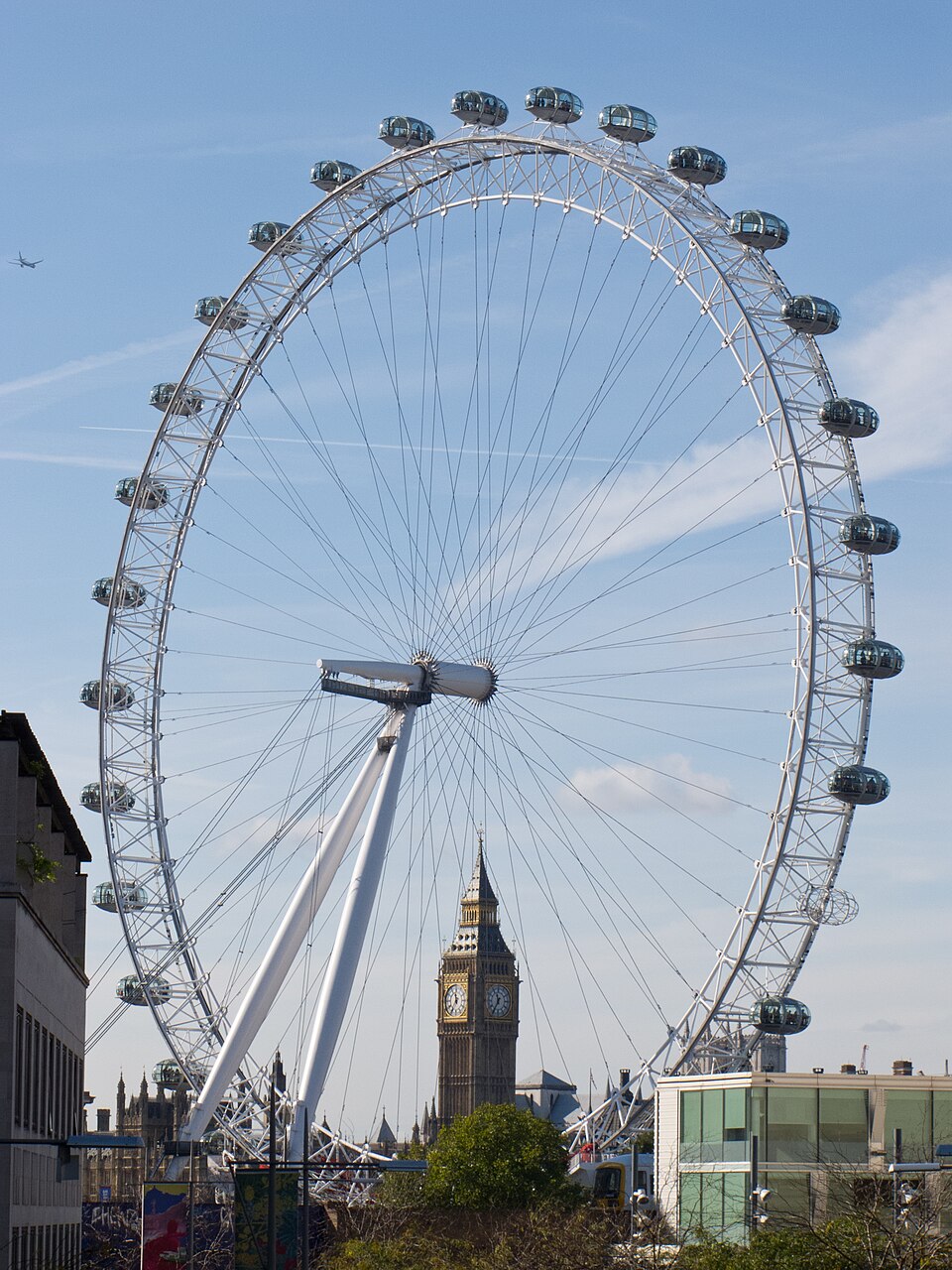
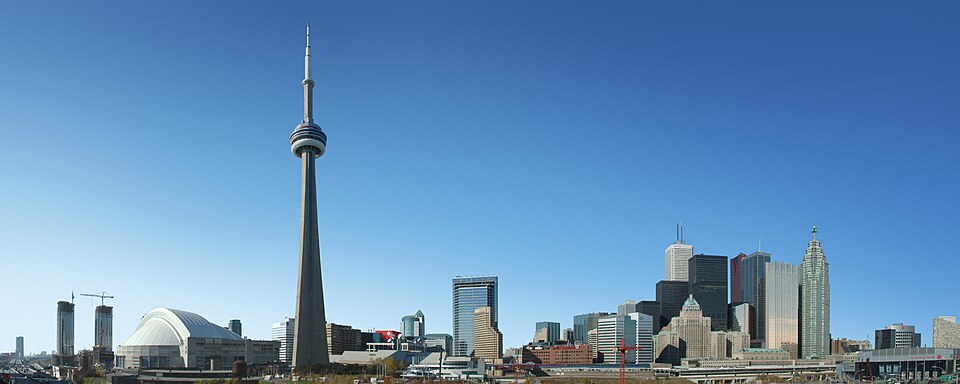
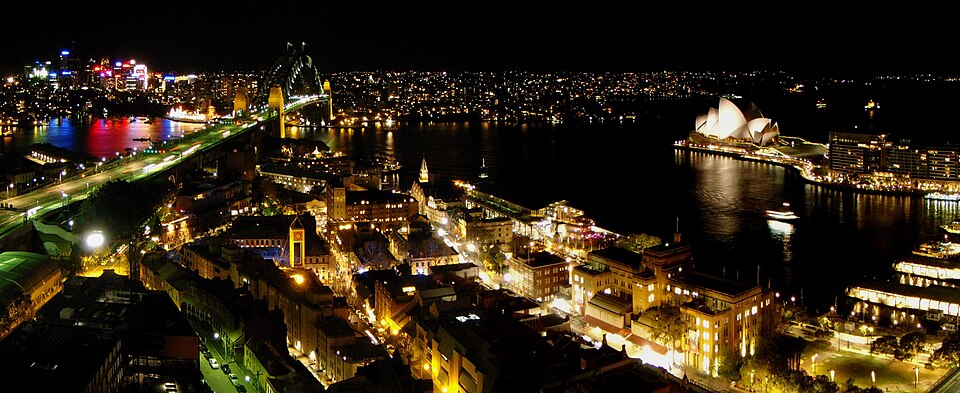
Warm-up
In pairs, make a list of countries where people speak English. You have two minutes. Then guess: how many of them are in the Commonwealth?
Your route
L'anglais est parlé sur tous les continents. Beaucoup de pays anglophones forment le Commonwealth, une association de 56 pays. Dans cette séance, tu vas apprendre du vocabulaire, découvrir des cultures, réfléchir à l'histoire et t'entraîner à parler et à écrire.
Niveau visé : A2 vers B1, lycée (voie générale ou professionnelle). Durée conseillée : 6 à 7 séances de 55 minutes.
Cinq axes de travail :
• Culture et civilisation : le Royaume-Uni, l'Irlande, le Commonwealth (histoire, organisation, sport, variétés d'anglais).
• Lexique : une page dédiée avec familles de mots et accent tonique.
• Étude de la langue : articles devant les noms de pays, comparatif et superlatif, prétérit et passif, connecteurs de l'argumentation.
• Réflexion : encadrés « Think! » sur chaque page et page de débat (le Commonwealth est-il encore utile ?).
• Pour aller plus loin sur le Canada : page 11, encadré sur l'eau potable et lien vers la séquence de première générale Whose Land, Whose Water?, ancrée dans les axes du BO.
Déroulé suggéré : séance 1, pages 1 à 3 ; séance 2, page 4 (Commonwealth et Spotlight: Canada) ; séance 3, pages 5 et 6 ; séance 4, pages 7 à 9 ; séance 5, page 10 ; séance 6, page 11 (Canada : l'eau potable) ; séance 7, tâche finale (page 12).
Cinq vidéos pour l'oral (pages 1, 4, 6, 7 et 9), chacune avec une compréhension orale en deux temps (premier visionnage global, deuxième visionnage détaillé, corrigeable avec « Check ») puis une tâche d'expression orale avec réponse modèle. Les vidéos s'ouvrent sur YouTube.
Les États-Unis sont volontairement laissés de côté : ils feront l'objet d'une séance à part.
Actualité : le sommet des chefs de gouvernement du Commonwealth (CHOGM) se tient à Antigua-et-Barbuda du 1er au 4 novembre 2026. La question des réparations liées à l'esclavage y est portée par les pays des Caraïbes : bonne accroche pour la page 7.
Mode d'emploi : « Answers » affiche les réponses modèles, « + Français » ajoute une aide sous chaque page, les exercices se corrigent avec « Check ».
Page 1 · Geography
Four nations, one kingdom
What you need to know
The United Kingdom is one country made of four nations: England, Scotland, Wales and Northern Ireland. Its capital is London. Its full name is the United Kingdom of Great Britain and Northern Ireland.
Great Britain is the name of the island. It holds England, Scotland and Wales, but not Northern Ireland.
The Republic of Ireland is a different country, with Dublin as its capital. It shares the island of Ireland with Northern Ireland, but not the same government.
| Nation | Capital | Patron saint | Symbol |
|---|---|---|---|
| England | London | St George | the rose |
| Scotland | Edinburgh | St Andrew | the thistle |
| Wales | Cardiff | St David | the daffodil, the leek |
| Northern Ireland | Belfast | St Patrick | the shamrock |


Listen and speak
The Difference between the United Kingdom, Great Britain and England ExplainedCGP Grey · about 5 min · watch on YouTubeListening 1 · Countries and islands
First viewing: the big picture
Watch the first two minutes. Write down all the place names you hear.
Second viewing: details
Be the narrator! Draw the British Isles on a sheet of paper (two big islands). Then explain to your partner, pointing at your map: This is Great Britain. It is an island. On this island there are three nations...
Exercise 1 · Country, nation or island?
Why do you think the Welsh, the Scots and the Northern Irish do not like being called "English"? Can you think of another country where some people do not want to be confused with their neighbours?
Present one nation: its capital, its patron saint, its symbol. Scotland's capital is Edinburgh. Its patron saint is St Andrew and its symbol is the thistle.
Write two sentences: one about the UK, one about Ireland. Use but.
Le Royaume-Uni est un seul État composé de quatre nations. La Grande-Bretagne est le nom de l'île. L'Irlande (capitale Dublin) est un autre pays. Chaque nation a son saint patron et son emblème : la rose anglaise, le chardon écossais, la jonquille galloise, le trèfle irlandais.
Compréhension orale : premier visionnage sans sous-titres (repérage des noms de lieux), deuxième avec sous-titres anglais pour les détails. Corrigé : countries, four, the largest island, second largest island, two, realms. La vidéo évoque aussi les dépendances de la Couronne (île de Man, Jersey) et les territoires d'outre-mer (Gibraltar, Malouines) : à garder pour les plus rapides. Expression orale : la carte dessinée sert de support et évite la lecture de notes.
Corrigé de l'exercice 1 : nation, island, country, country, Cardiff. L'encadré « Think! » ouvre sur la notion d'identité régionale et permet une comparaison interculturelle.
Page 2 · Geography
Capital or largest city?
In many Commonwealth countries, the capital is not the biggest city. Tourists often get it wrong.


| Country | Capital | Largest city | Commonwealth? |
|---|---|---|---|
| the United Kingdom | London | London | Yes |
| Ireland | Dublin | Dublin | No (left in 1949) |
| Canada | Ottawa | Toronto | Yes |
| Australia | Canberra | Sydney | Yes |
| New Zealand | Wellington | Auckland | Yes |
| India | New Delhi | Mumbai | Yes |
| Nigeria | Abuja | Lagos | Yes |
| Jamaica | Kingston | Kingston | Yes |
Exercise 2 · Find the capital
Canberra was built between Sydney and Melbourne. Abuja replaced Lagos in 1991, in the centre of Nigeria. Why do some countries build a new capital instead of choosing their biggest city? Find two reasons.
Student A names a country. Student B says the capital and the largest city. The capital of Australia is Canberra, but the largest city is Sydney.
Choose two countries. Write the capital and the largest city of each.
Dans plusieurs pays du Commonwealth, la capitale n'est pas la plus grande ville. Souvent, on a choisi une ville « neutre » ou construit une capitale nouvelle pour ne pas favoriser une région : Canberra entre Sydney et Melbourne, Ottawa entre anglophones et francophones, Abuja au centre du Nigeria.
La colonne « Commonwealth? » prépare la page 4 : l'Irlande est le seul pays du tableau qui répond « No ». Laissez les élèves faire des hypothèses.
Page 3 · Power and influence
The City and Westminster


Two kinds of power in one city
The City (with a capital C) is a small district inside London, also called the Square Mile. It is full of banks, insurance companies and the Stock Exchange. It is about money.
Westminster is another part of London. Parliament and the Prime Minister's office (10 Downing Street) are there. It is about politics: laws are made there.
London is the capital of the UK. The City is not the capital: it is only a district.
Exercise 3 · City, Westminster or capital?
Who is more powerful: the people who make the laws, or the people who have the money? Give one example to support your idea.
Point to a picture and say what it is. This is the City. It is the financial district of London.
Write one sentence about the City and one about Westminster.
The City : le quartier financier de Londres (la finance). Westminster : le quartier du Parlement (la politique). capital : la capitale, sans majuscule en anglais.
Corrigé : Westminster, City, capital, City. Distinction pouvoir économique / pouvoir politique, utile pour l'axe « puissance et influence ».
Page 4 · Civilisation
What is the Commonwealth?
The Commonwealth of Nations is a voluntary association of independent countries. Most of them were once part of the British Empire. Today they are equal partners: no country gives orders to another.
A network on five regions
Europe: the UK, Malta, Cyprus. Africa: Nigeria, Kenya, South Africa, Ghana, Rwanda... Asia: India, Pakistan, Bangladesh, Malaysia... Pacific: Australia, New Zealand, Fiji... Caribbean and Americas: Canada, Jamaica, Barbados...
A short history
1600s to 1900s · Britain builds a huge empire on every continent.
1931 · Canada, Australia, New Zealand and South Africa become self-governing. They form the British Commonwealth.
1947 · India and Pakistan become independent.
1949 · The London Declaration: India becomes a republic and stays a member. The word "British" disappears. The modern Commonwealth is born. The same year, Ireland becomes a republic and leaves.
1960s to 1980s · Many countries in Africa, the Caribbean and the Pacific become independent and join.
2009 and 2022 · Rwanda, then Gabon and Togo join, although they were never British colonies.
2021 · Barbados replaces the Queen with a president, but stays in the Commonwealth.
November 2026 · Leaders meet in Antigua and Barbuda for the Commonwealth summit (CHOGM).
Who is in charge?
The Head of the Commonwealth is King Charles III. It is a symbolic role: he has no power over the member countries.
The Secretary-General, Shirley Botchwey from Ghana, runs the organisation from Marlborough House in London.
Only 15 members still have the King as their own head of state: the UK, Canada, Australia, New Zealand, Jamaica and ten others. They are called Commonwealth realms. Most members, like India, Nigeria or South Africa, are republics with their own president.

Listen and speak
What is the Commonwealth?BBC What's New · watch on YouTubeListening 2 · Is this video up to date?
This BBC video was made a few years ago, when Queen Elizabeth II was still alive. Listen carefully: some facts have changed since!
First viewing: the big picture
Who made the video? What is it about? Is it positive, negative, or both?
Second viewing: numbers and names
Update the BBC! You are a journalist in 2026. Record a 30-second correction of the video, using the facts on this page. Start with: In the video, the Commonwealth had... Today, it has...
To go further: The Commonwealth Secretariat, History of the Commonwealth. Open on YouTube · Official list of members
Exercise 4 · True or false?
Rwanda, Gabon and Togo were never British, but they chose to join. Ireland was British, but it chose to leave. What does this tell you about the Commonwealth today?
Explain the Commonwealth in three sentences to a friend.
Write the difference between the British Empire and the Commonwealth. Use was and is.
Le Commonwealth est une association libre de 56 pays indépendants et égaux, issus pour la plupart de l'ancien Empire britannique. Il est né sous sa forme moderne en 1949. Le roi Charles III en est le chef symbolique, mais il n'est chef d'État que dans 15 pays. Le Rwanda, le Gabon et le Togo l'ont rejoint sans avoir été colonies britanniques ; l'Irlande l'a quitté en 1949.
Point essentiel : Commonwealth ≠ Empire. Parallèle possible avec l'Organisation internationale de la Francophonie, dont le Rwanda est aussi membre. Corrigé : F, T, F, T, F, F.
Compréhension orale (vidéo BBC) : 54, 2.5 billion, eight, Queen Elizabeth II, Patricia Scotland, Mozambique. La vidéo date d'avant septembre 2022 : c'est voulu. L'activité « Update the BBC! » fait réemployer le prétérit (had, was) face au présent (has, is) et entraîne l'esprit critique face à une source datée. La vidéo cite aussi le départ du Zimbabwe en 2003 et la Charte de 2012. Chiffres vérifiés sur le site officiel du Secrétariat (octobre 2026).
Spotlight: Canada
Meet a young water protector, then discover a bilingual Commonwealth member and realm: federation, languages, Ottawa.
Emblematic figure · Canada

“One day I will be an ancestor, and I want my great-grandchildren to know I tried hard to fight so they can have clean drinking water.”Autumn Peltier, United Nations General Assembly, 22 March 2018
Autumn Peltier, the girl who spoke for water
Autumn Peltier is a young Anishinaabe woman from Wiikwemkoong Unceded Territory, a First Nation on Manitoulin Island, in Ontario. She is known around the world as a water protector. For her people, water is alive: “Many people don't think water is alive or has a spirit,” she once said. “My people believe this to be true.”
Her fight started when she was only eight. She visited a First Nations community under a boil water advisory: people there could not safely drink the water from their taps. Later, she told CBC News: “I actually cried about it. And it makes me really mad when I think about it.”
On 22 March 2018, World Water Day, Autumn, then a young teenager, addressed the United Nations General Assembly in New York. She stood on a stool behind the podium so that she could reach the microphone. She asked world leaders to “warrior up”, to stop polluting the planet and to give water the same rights and protection as human beings. “No child should grow up not knowing what clean water is,” she said.
In April 2019, at 14, she became Chief Water Commissioner of the Anishinabek Nation, an organisation that speaks for around 40 First Nations across Ontario. She took over from her great-aunt, Josephine Mandamin, who had walked around the Great Lakes to protect their water and who had died earlier that year. Before she died, Josephine asked Autumn to carry on her work.
Why does her fight still matter? On 21 October 2026, 39 long-term drinking water advisories were still in effect in 37 First Nations communities. Find out more on page 11: Clean water: a promise not kept yet.
Sources: CBC News, 22 March 2018: Canadian teen tells UN “warrior up” to protect water · UN Photo, 22 March 2018 · UN News, 22 March 2018: launch of the Water Action Decade · CBC News, 25 April 2019: Autumn Peltier named chief water commissioner · Anishinabek Nation, 26 April 2019 · Indigenous Services Canada (figures as of 21 October 2026)
Reading · Comprehension questions
Answer in full sentences.
1. Where does Autumn Peltier come from, and who are her people?
2. What made her start fighting for clean water, and how old was she?
3. Why was her speech at the United Nations in 2018 unusual, and what did she ask world leaders to do?
4. What role did she take over in 2019, and why is it a family story?
2. When she was eight, she visited a First Nations community under a boil water advisory, where people could not safely drink the tap water.
3. She was a young teenager and she spoke to the General Assembly, where world leaders and diplomats usually speak. She asked them to “warrior up”, to stop polluting the planet and to give water the same rights and protection as human beings.
4. She became Chief Water Commissioner of the Anishinabek Nation. She took over from her great-aunt, Josephine Mandamin, who asked her to carry on her work before she died.
Discuss: Autumn Peltier was a young teenager when she spoke to the United Nations. Can a teenager really change the decisions of world leaders? Use her story and your own ideas.
Figure emblématique : Autumn Peltier. Autumn Peltier est une jeune femme anishinaabe de Wiikwemkoong (territoire non cédé), une Première Nation de l’île Manitoulin, en Ontario. Elle est connue dans le monde entier comme water protector, « protectrice de l’eau » : pour son peuple, l’eau est vivante. Son combat a commencé à huit ans, en visitant une communauté des Premières Nations soumise à un avis d’ébullition de l’eau. Le 22 mars 2018, Journée mondiale de l’eau, encore très jeune adolescente, elle a pris la parole devant l’Assemblée générale des Nations unies, debout sur un tabouret pour atteindre le micro. Elle a appelé les dirigeants à se battre (warrior up), à cesser de polluer et à reconnaître des droits à l’eau. En avril 2019, à 14 ans, elle est devenue commissaire en chef à l’eau de l’Anishinabek Nation, qui représente une quarantaine de Premières Nations de l’Ontario, succédant à sa grand-tante Josephine Mandamin, morte au début de l’année. Son combat reste d’actualité : au 21 octobre 2026, 39 avis de longue durée sur l’eau potable étaient encore en vigueur dans 37 communautés des Premières Nations (voir page 11).
Pourquoi Autumn Peltier : une figure jeune, charismatique et proche de l’âge des élèves, qui ouvre la partie « Spotlight: Canada » et prépare l’encadré sur l’eau potable de la page 11 (lien direct dans le texte) ainsi que la séquence de première générale Whose Land, Whose Water? Axes du programme d’anglais (BO n° 22 du 29 mai 2025) : « Territoire et mémoire » (« Territoires autochtones ») et « Diversité et inclusion » (« Représentation politique des Peuples premiers ») ; en voie professionnelle, « grandes problématiques d’actualité ».
Faits vérifiés le 7 octobre 2026 : origine anishinaabe et Wiikwemkoong (CBC, 22 mars 2018 et 25 avril 2019 ; Anishinabek Nation, 26 avril 2019) ; discours devant l’Assemblée générale de l’ONU le 22 mars 2018, jeune adolescente, lors du lancement de la Décennie internationale d’action « L’eau et le développement durable » 2018-2028 (CBC ; UN Photo ; UN News) ; nomination comme Chief Water Commissioner de l’Anishinabek Nation en avril 2019, à 14 ans (CBC ; Anishinabek Nation). Toutes les citations viennent de l’article de CBC du 22 mars 2018. Orthographes : Wiikwemkoong, aussi écrit Wikwemikong. Anishinaabe désigne le peuple ; l’Anishinabek Nation est l’organisation politique (Union of Ontario Indians). Le texte n’indique pas si elle occupe encore ce poste aujourd’hui, faute de source récente fiable.
Photo : Vaughn Ridley/Collision via Sportsfile, licence CC BY 2.0, recadrée. Wikimedia Commons ne propose aucune photographie d’Autumn Peltier, seulement un portrait dessiné : la photo vient du compte Flickr officiel de la conférence Collision (Toronto, 28 juin 2023).
Canada, a bilingual member

Canada is a federation of ten provinces and three territories. It is a Commonwealth member and a Commonwealth realm: King Charles III is also King of Canada.
Canada has two official languages, English and French. Most French speakers live in the province of Quebec.
Ottawa was chosen as the capital because it sits on the border between English-speaking Ontario and French-speaking Quebec.
Canada became independent step by step and peacefully, from 1867 to 1982, without a war against Britain.
Exercise 10 · Complete
Canada's head of state is a king who lives in London. Is this a problem for an independent country? Why do you think many Canadians accept it?
Say the capital, the largest city and the two languages of Canada.
Explain in two sentences why Ottawa was chosen as the capital.
Le Canada est membre du Commonwealth et le roi Charles III est aussi roi du Canada. Il a deux langues officielles, l'anglais et le français. Le Québec est une province. Le Canada est devenu indépendant progressivement et sans guerre (1867-1982).
Corrigé : Ottawa, Toronto, French, province. Lien possible avec la francophonie canadienne.
Page 5 · Vocabulary
Words for the Commonwealth
Key words
| English | Meaning |
|---|---|
| an empire | many countries ruled by one power |
| a colony | a territory ruled by another country |
| independence | being free to govern yourself |
| a member | a person or country that belongs to a group |
| a head of state | the king, queen or president of a country |
| a republic | a country with a president, not a king |
| a realm | a kingdom; here, a country where the King is head of state |
| a summit | an important meeting of leaders |
| to rule | to control a country |
| to join / to leave | to become a member / to stop being a member |
| the legacy | what the past leaves to the present |
Exercise 5 · Match the word
Word families
| Noun | Adjective | Verb / person |
|---|---|---|
| a nation | national | nationality |
| independence | independent | to become independent |
| a colony | colonial | to colonise, a colonist |
| government | governmental | to govern, a governor |
| power | powerful | to empower |
| an empire | imperial | an emperor |
| membership | (a member state) | a member |
Exercise 6 · Use the right form
Say it right: word stress
Commonwealth · independence · colony · colonial · empire · imperial · republic · nation · national · nationality
Notice: the stress moves inside a word family. Nation but nationality. Colony but colonial.
The word Commonwealth is made of common + wealth. Wealth means riches, but also well-being. What does the name tell you about the idea behind the organisation?
an empire un empire · a colony une colonie · independence l'indépendance · a member un membre · a head of state un chef d'État · a republic une république · a realm un royaume · a summit un sommet · to rule gouverner, dominer · to join / to leave adhérer / quitter · the legacy l'héritage. Attention à l'accent tonique qui se déplace : NAtion / natioNAlity.
Corrigés : ex. 5, a republic / a colony / a summit / independence / the legacy ; ex. 6, independent / powerful / colony / colonial / nationality. L'accent tonique peut être travaillé en répétition chorale, en frappant la syllabe accentuée.
Page 6 · Culture
What do Commonwealth countries share?
Sport: the Commonwealth Games
Every four years, athletes from Commonwealth countries meet at the Commonwealth Games, a kind of Olympic Games for the Commonwealth. In summer 2026, the Games took place in Glasgow, Scotland. Scotland, England, Wales and Northern Ireland compete as separate teams!
Cricket is another shared passion. It was brought by the British, and today the best teams come from India, Australia, England, Pakistan, South Africa and the West Indies. In India, cricket players are as famous as film stars.


One language, many Englishes
| Where? | Word or phrase | Meaning |
|---|---|---|
| Australia | arvo · brekkie · G'day! | afternoon · breakfast · Hello! |
| Canada | a toque · eh? | a woolly hat · right? isn't it? |
| India | prepone · a lakh | to move earlier (opposite of postpone) · 100,000 |
| Scotland | wee · aye | small · yes |
| Jamaica | Wah gwaan? | What's up? |
| New Zealand | Kia ora | Hello (a Māori greeting used by everyone) |
Exercise 7 · Where would you hear it?
Listen and speak
The English Language in 24 AccentsOne speaker, 24 accents · about 8 min · watch on YouTubeListening 3 · One speaker, 24 accents
One young Londoner imitates 24 accents. For each accent, he pretends to talk on the phone.
First viewing: tick the accents you recognise
Which accents from Commonwealth countries can you hear? Note them in the order you hear them.
Second viewing: details
Accent game. In groups, choose one sentence: "Hello, I'm calling about the cricket match tomorrow." Each student says it in a different accent from the video. The others guess the country.
Then say which accent you understood best and why: I understood the Scottish accent best because...
Commonwealth Day
Every year, on the second Monday of March, schools and communities celebrate Commonwealth Day with flags, music and debates. The 2026 theme was about unlocking opportunities together.
English came to India, Nigeria or Jamaica with the British Empire. Today, more people speak English in India than in the UK. Does English still belong to the British? Who does a language belong to?
Choose one word from the table and use it in a short dialogue with your partner.
Write three things Commonwealth countries share.
Les pays du Commonwealth partagent des Jeux du Commonwealth (tous les quatre ans, à Glasgow en 2026), le cricket, et la langue anglaise, mais chaque pays a son anglais : arvo (après-midi) en Australie, eh? au Canada, prepone (avancer un rendez-vous) en Inde, wee (petit) en Écosse. Il y a plus d'anglophones en Inde qu'au Royaume-Uni.
Compréhension orale (24 accents) : London, Jamaican, BBC English, South Africa and Nigeria, Australian. La vidéo contient aussi des accents non anglophones (français, allemand, russe...). L'auteur joue un rôle, il ne se moque pas : bon point de départ pour parler des stéréotypes. Les répliques du locuteur sont volontairement absurdes, l'écoute porte sur les sons, pas sur le sens.
Corrigé de l'exercice 7 : Australia, India, Scotland, Canada, New Zealand. Prolongement : écouter des accents (Australie, Inde, Écosse) sur des sites d'actualité ou de météo locaux. La question « à qui appartient une langue ? » se prête bien à une comparaison entre pays anglophones (Inde, Nigeria, Jamaïque).
Page 7 · Critical thinking
Is the Commonwealth still useful?
Some people say the Commonwealth is a modern network of friends. Others say it is a souvenir of the Empire. What do you think?
Arguments for
• Members share a language and similar legal systems, so trade between them is easier and cheaper.
• Small island states get a voice next to big countries like India or Canada.
• It offers scholarships and exchanges for students.
• It defends democracy and human rights in its Charter.
Arguments against
• It reminds many people of colonisation and slavery.
• Caribbean countries ask Britain for reparations for slavery, and the debate divides members.
• Several realms, like Jamaica, discuss becoming republics.
• It has little real power: it cannot force members to respect its values.
Listen and speak
Jamaica looking to remove King Charles as head of stateCBC News (Canada) · watch on YouTubeListening 4 · Jamaica wants a president
First viewing: who, what, why?
Complete the grid: Who wants a change? What change? Why? Write key words only.
Second viewing: details
Radio phone-in. You call a Jamaican radio show. Student A wants to keep the King, Student B wants a president. Each caller speaks for 30 seconds and uses one connector from the box below.
A: I don't agree. The King is only a symbol. However, I think a referendum is a good idea: the people must decide.
Exercise 8 · For or against?
Useful language for a debate
Giving your opinion: In my opinion... · I think that... · As far as I'm concerned...
Adding: Moreover... · What's more... · Besides...
Contrasting: On the one hand... on the other hand... · However... · Although...
Agreeing / disagreeing: I agree with you because... · I don't agree, because... · That's true, but...
Concluding: To sum up... · All in all...
Exercise 9 · Choose the connector
Class debate. Group A defends the Commonwealth, group B criticises it. Each student gives one argument with a connector.
Write a short paragraph (60 to 80 words): one argument for, one against, your opinion.
Le Commonwealth est-il encore utile ? Pour : commerce facilité, voix donnée aux petits États, bourses d'études, défense de la démocratie. Contre : souvenir de la colonisation et de l'esclavage, demandes de réparations des pays des Caraïbes, débats sur la république dans plusieurs royaumes, peu de pouvoir réel. Utilise les connecteurs : however (cependant), moreover (de plus), although (bien que), to sum up (pour résumer).
Compréhension orale (CBC News) : prime minister, King Charles, referendum, republic. Le reportage annonçait un objectif de république pour 2025 ; la grille « Why? » dépend de ce que disent les intervenants, à ajuster après votre propre visionnage. Faites vérifier aux élèves où en est le projet aujourd'hui (bonne tâche de recherche). L'accent canadien du journaliste et les voix jamaïcaines font écho à la page 6.
Corrigés : ex. 8, for / against / for / against ; ex. 9, However / Moreover / Although / To sum up.
Repère d'actualité : lors du sommet de la CARICOM de juillet 2026, les dirigeants caribéens ont souhaité que la question des réparations soit très présente au CHOGM de novembre 2026. Le Secrétariat affirme que le commerce entre membres coûte en moyenne 21 % de moins grâce à la langue et aux systèmes juridiques communs. Les deux informations peuvent nourrir le débat.
Page 8 · Rethinking the city
Rethinking the city
Share of people living in towns and cities (approximate figures, United Nations):
| Country | Urban population |
|---|---|
| Australia | about 86% |
| the UK, Canada | over 80% |
| Nigeria | about half |
| India, Kenya | about one third, but growing fast |

London and Sydney look great on postcards. But a postcard does not show the rent, the long journey to work, or the people who cannot find a home.
Exercise 11 · Guess, then check
A city can be rich and still have poor people. Think of a big city you know. What problem would not appear on a postcard?
Choose one problem: housing, transport or water. Say who it affects.
Write one figure, one problem and the people concerned.
Les pays du Commonwealth ne sont pas urbains de la même façon : l'Australie à plus de 85 %, le Nigeria à environ 50 %, l'Inde à environ un tiers. Une ville vitrine cache des problèmes : logement, transports, eau.
Chiffres arrondis (estimations des Nations unies). Le Commonwealth réunit des pays riches très urbanisés et des pays en forte croissance urbaine.
Page 9 · Representing the world
One image is not the country

Uluru is a huge red rock in the desert. It is a sacred site for the Anangu, the Aboriginal people of the area. Very few people live in the centre of Australia.
Most Australians live on the coast, in big cities like Sydney and Melbourne. Neither of them is the capital: the capital is Canberra.
A tourist picture shows only one side of a country. To understand Australia, you need both images, and more.
Listen and speak
Uluru Climbing BanBehind the News (ABC, Australia) · news for young people · watch on YouTubeListening 5 · You can't climb Uluru anymore
Behind the News is an Australian news programme for young people.
First viewing: the big picture
What is the news? Who is happy about it? Who is not?
Second viewing: details
Two voices. In pairs: Student A is an Anangu guide, Student B is a tourist who wanted to climb. Have a short, polite conversation. Use I understand, but... and because.
Exercise 12 · Hide and reveal
Work in pairs. Student A hides one picture. Student B looks at the other one and says a wrong conclusion: "Australia is only desert." Then Student A shows the hidden picture and Student B corrects the sentence.
The Aboriginal peoples lived in Australia for more than 60,000 years before the British arrived in 1788. Why do tourist images often forget them?
Describe each picture in one sentence. Then say what one picture alone hides.
Write two sentences about the pictures and one conclusion.
Une seule image produit un stéréotype. Uluru (rocher sacré pour les Aborigènes Anangu, au centre désertique) et Sydney (grande ville côtière) sont deux visages de l'Australie. Les Aborigènes y vivaient depuis plus de 60 000 ans avant l'arrivée des Britanniques en 1788.
Compréhension orale (Behind the News) : tourist attractions, 2019, Anangu, sacred. L'ascension est interdite depuis le 26 octobre 2019, à la demande des Anangu, propriétaires traditionnels du site. Le journal est conçu pour les jeunes Australiens : débit adapté, bon niveau A2-B1.
L'activité « cache et découvre » se fait en binômes. On peut l'étendre au Canada (Toronto / Grand Nord) ou au Royaume-Uni (City / Highlands).
Page 10 · Grammar
Grammar corner
1. "The" with country names
Use the when the name contains Kingdom, Republic, Islands or is plural: the United Kingdom, the Republic of Ireland, the Bahamas, the Solomon Islands.
No article with most single names: Canada, Australia, India, Jamaica, Nigeria, Scotland.
Exercise 13 · "the" or nothing (Ø)?
2. Comparing: bigger than, the largest
Short adjectives: big → bigger than → the biggest · large → larger → the largest
Long adjectives: more populated than → the most populated
Irregular: good → better → the best · bad → worse → the worst
Sydney is bigger than Canberra. Toronto is the largest city in Canada. India is the most populated member.
Exercise 14 · Complete
3. Telling history: past simple and passive
Past simple for finished events with a date: India became independent in 1947. Ireland left in 1949.
Passive (was / were + past participle) when the action matters more than who did it: The modern Commonwealth was created in 1949. Ottawa was chosen as the capital.
Irregular verbs to know: become → became, leave → left, choose → chose / chosen, build → built.
Exercise 15 · Past simple or passive?
4. Linking ideas
because (cause) · so (consequence) · but / however (contrast) · although (concession).
Rwanda joined because it wanted new partners. Ireland became a republic, so it left. Barbados became a republic, but it stayed.
Exercise 16 · because, so or but?
1. Article : the United Kingdom, the Bahamas, mais Canada, India sans article. 2. Comparatif : bigger than, more populated than ; superlatif : the biggest, the most populated. 3. Prétérit pour une action terminée et datée (became, left) ; passif : was / were + participe passé (was created, was chosen). 4. Connecteurs : because (parce que), so (donc), but (mais), although (bien que).
Corrigés : ex. 13, the / Ø / the / Ø / the ; ex. 14, bigger / the largest / more populated / larger / the best ; ex. 15, became / was created / left / was chosen / was built ; ex. 16, but / because / so.
Page 11 · Spotlight: Canada
Canada: land, water and promises
Autumn Peltier spoke for water on page 4. Here is why her fight matters: in a rich country, some First Nations still cannot drink the water from their taps.
Clean water: a promise not kept yet
A drinking water advisory tells people: "Don't drink the water from your tap" or "Boil it first". It becomes long-term when it lasts more than one year.
In 2015, Justin Trudeau promised to end all long-term drinking water advisories on First Nations reserves within five years, by March 2021. The government did not keep this promise on time.
There is progress: 158 long-term advisories were lifted between November 2015 and 21 October 2026. But on that date, 39 were still in effect in 37 communities.
In Neskantaga First Nation (Ontario, 374 people living on the reserve), people have had to boil their water since February 1995: more than 31 years, the longest advisory in Canada.
Discuss: 1. Is clean water a human right? Why? · 2. Canada is a rich country. Why is safe water still a problem in some First Nations communities? · 3. What should the government do now?
Sources: Indigenous Services Canada, Ending long-term drinking water advisories (figures as of 21 October 2026) · Indigenous Services Canada, Neskantaga First Nation · CBC News, December 2020: the minister admits the 2021 target will be missed
2. Many communities are very far from big cities, so building and repairing a water plant is slow and expensive (three to four years for a new plant). Some systems are old, and there are not enough trained workers. It is also a heritage of colonisation: for a long time, First Nations were not a priority.
3. The government should keep its promises, pay for new water plants and for trained workers, and let First Nations control their own water. Indigenous Services Canada itself says that First Nations' control of water is part of the solution.
L’eau potable, une promesse pas encore tenue. Un drinking water advisory est un avis qui demande de ne pas boire l’eau du robinet ou de la faire bouillir ; il devient « de longue durée » au bout d’un an. En 2015, Justin Trudeau a promis de supprimer tous ces avis de longue durée dans les réserves des Premières Nations en cinq ans, avant mars 2021 : la promesse n’a pas été tenue à temps. Il y a des progrès : 158 avis levés entre novembre 2015 et le 21 octobre 2026, mais 39 étaient encore en vigueur dans 37 communautés à cette date. À Neskantaga (Ontario), il faut faire bouillir l’eau depuis février 1995, soit plus de 31 ans. Questions : l’eau potable est-elle un droit humain ? Pourquoi est-ce encore un problème dans un pays riche ? Que devrait faire le gouvernement ? Mots utiles : a human right (un droit humain), to boil (faire bouillir), a tap (un robinet), a water plant (une usine de traitement de l’eau), a promise (une promesse).
Encadré « Think! » sur l’eau potable : il nuance l’idée de réconciliation et relie la partie « Spotlight: Canada » à l’actualité. Axes du programme d’anglais (BO n° 22 du 29 mai 2025) : « Territoire et mémoire » en terminale (objet d’étude « Territoires autochtones : intégration, assimilation ou appropriation ? ») et « Diversité et inclusion » en première (« Représentation politique des Peuples premiers »). En voie professionnelle : thème « grandes problématiques d’actualité ». Chiffres vérifiés le 4 novembre 2026 sur le site de Services aux Autochtones Canada (page en français, données au 21 octobre 2026). Précision utile : ces chiffres concernent les réseaux publics des réserves des Premières Nations ; les communautés inuit ne sont pas des réserves et ne sont pas comptées. Justin Trudeau a été Premier ministre de novembre 2015 au 14 mars 2025 (remplacé par Mark Carney). Les réponses modèles s’affichent avec « Answers ».
Whose Land, Whose Water? Canada's First Peoples and the Promises of Power
Première générale · Indigenous lands, dams, clean water and broken promises, with real interviews from Canadian television →
Pour aller plus loin sur le Canada : la séquence de première générale Whose Land, Whose Water? reprend ces questions (territoires autochtones, barrages, eau potable, promesses non tenues) et intègre l’étude du film The Grizzlies.
Et ensuite : l’Océanie anglophone
Terminale · Hunt for the Wilderpeople (Taika Waititi, 2016) : le traité de Waitangi, la protection de l’enfance, les accents néo-zélandais, en 9 séances →
Page 12 · Final task
Present a Commonwealth country
Choose one country. Prepare a one-minute talk, or write a fact file and a short text.

Your fact file
| Capital | |
|---|---|
| Largest city | |
| Head of state: king or president? | |
| Date of independence or joining | |
| One cultural element (sport, word, food...) | |
| One image, and what it hides | |
| My opinion: is the Commonwealth useful for this country? |
Checklist
☐ I use the correctly with the country name.
☐ I use three words from page 5.
☐ I compare two cities (bigger than, the largest).
☐ I give one date with the past simple or the passive.
☐ I give my opinion with a connector (in my opinion, however, because).
☐ I end with a limit: one image is not the country.
I am going to present Jamaica. Its capital and largest city is Kingston. Jamaica was a British colony and became independent in 1962, peacefully. King Charles III is still its head of state, so it is a Commonwealth realm. However, many Jamaicans would like a president. Jamaica is famous for reggae and great sprinters. People often think of beaches, but Kingston is also a big city with real problems, like housing. In my opinion, the Commonwealth is useful for Jamaica because it gives a small country a voice.
Final quiz
Choisis un pays du Commonwealth et présente-le en une minute, ou remplis la fiche puis écris un court texte. N'oublie pas : l'article the, trois mots de la page 5, une comparaison, une date au prétérit ou au passif, un élément culturel, ton opinion avec un connecteur, et une limite (« une image ne suffit pas »).
Évaluation suggérée (sur 20) : contenu culturel exact 5 points ; lexique (au moins trois mots de la page 5) 3 points ; grammaire (article, comparatif, prétérit ou passif, connecteurs) 5 points ; opinion argumentée 3 points ; prononciation et fluidité, ou soin de l'écrit, 4 points.